


Cart is empty

70%
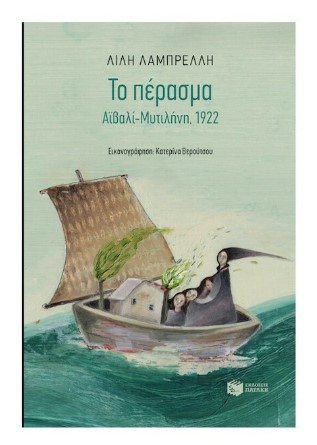
The passage of five women and a baby – grandmother, mother, three little girls and an unbaptized boy – from Ayvali to Mytilini, in 1922, based on real testimonies. The seven men of the family stayed behind and left no trace, as if the earth had swallowed them up.
This passage is like matryoshkas, Russian nesting dolls, each of which hides many smaller ones, because the more you open the nests of history, the more you find that there are many hidden passages. The main narrator is the eldest of the three girls, Eleni, nine years old in that landmark year.
The materials of this Asia Minor narrative were fiction, testimonies of Ayvalios that were recorded in books and in the press over the decades - one of these Ayvalios is Ilias Venezis, whose literary work illuminated many aspects of history -, historical events, memories of the families of the author's grandparents and the omnipresent oral tradition in her life.
"You know, the woes also wax and wane. At first, they are like invisible waves of crickets that approach, come and relieve us, dominate our whole life, and then slowly recede, until, as the fullness of time comes, they sink behind the horizon and do not disturb us anymore.


