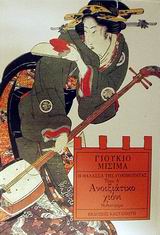
"The completion of this great novel - The Sea of Fertility - makes me feel that the end of the world has come..." Yukio Mishima wrote in October 1970. In November he was dead - by ritual suicide. Consisting of four parts, The Sea of Fertility represents the flowering of Mishima's idiosyncratic genius. Spring Snow is a gentle and touching love story. His bloody sequel, Undead Horses, stars a far-right terrorist. In the Temple of Dawn, a Thai princess secretly connects with the heroes of the previous works. The Falling Angel is a work as exciting and romantic as the previous ones, but it is permeated by a farewell sadness. On November 25, 1970, Yukio Mishima, at the height of his illustrious literary career, stunned the world with his ritual suicide by emesis (hara-kiri, or, more correctly, seppuku). Mishima in his works often refers to the themes of suicide and early death, while he expressed many times the desire to die young. He completed this tetralogy, his last work, on the morning of the day of his death. Shortly before he killed himself, he wrote to his friends that he felt empty, having given all his beliefs and feelings about life to this gigantic undertaking, which was later praised as a masterpiece.