


Cart is empty
Το κατάστημα λειτουργεί μόνο διαδικτυακά. Τηλεφωνική Εξυπηρέτηση Δευτέρα έως Παρασκευή 10:00 - 18:00

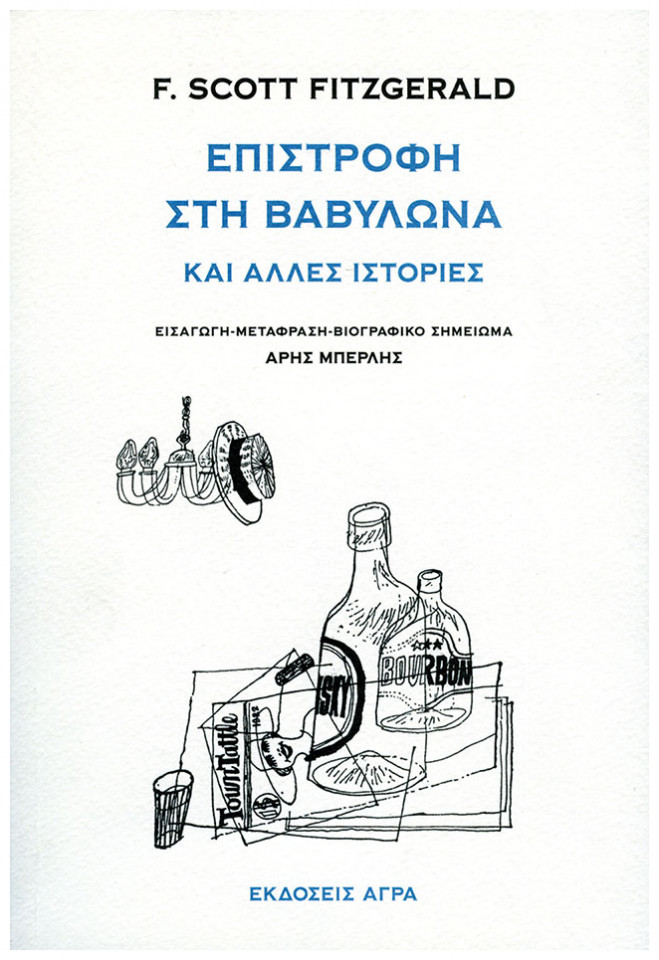
Description
The life of Francis Scott Fitzgerald is a tragic example of the two sides of the American Dream: the joys of love, wealth and success, and the tragedy that is intertwined with extremes and failure. Born in 1896 in St. Paul, Minnesota to a Catholic and well-to-do family, he began writing at an early age. When the US enters the war in 1917 he enlists in the army, serving his two-year term in America, and meets Zelda Sear, who refuses to marry him due to lack of money. In 1920, however, his first novel ("This Side of Paradise") is published, which will be a great success; the marriage with Zelda takes place immediately. Fitzgerald, now a professional writer, also collaborates with various magazines, a partnership that would be profitable if the couple's expenses were not increased due to their luxurious life. Fitzgerald's second novel, "The Beautiful and the Damned", describes exactly a couple who live between tenderness and hedonism. Shortly after the birth of their only child, his greatest novel, The Great Gatsby, will be published.
The wasteful life, the constant moving (they traveled from city to city in Europe and lived in eight US states), as well as the stormy relationship of the Fitzgeralds took a toll on the health of both: Fitzgerald faced an increasingly serious problem with alcoholism, and Zelda, after after several nervous breakdowns, he was finally diagnosed with schizophrenia. Yet Fitzgerald managed to finish and publish in 1934 his fourth novel, Tender Is the Night, which is full of autobiographical elements; this too is a chronicle of a failure or multiple failures. Fitzgerald died in 1940 at the age of forty-four, of a heart attack. Although in his time he was mainly known as an eccentric drunkard and the embodiment of the excesses and extremes that characterized the Jazz Age, the imprint of this era in his works and his undoubted talent give him today a deservedly special place in the group of modern writers.
The wasteful life, the constant moving (they traveled from city to city in Europe and lived in eight US states), as well as the stormy relationship of the Fitzgeralds took a toll on the health of both: Fitzgerald faced an increasingly serious problem with alcoholism, and Zelda, after after several nervous breakdowns, he was finally diagnosed with schizophrenia. Yet Fitzgerald managed to finish and publish in 1934 his fourth novel, Tender Is the Night, which is full of autobiographical elements; this too is a chronicle of a failure or multiple failures. Fitzgerald died in 1940 at the age of forty-four, of a heart attack. Although in his time he was mainly known as an eccentric drunkard and the embodiment of the excesses and extremes that characterized the Jazz Age, the imprint of this era in his works and his undoubted talent give him today a deservedly special place in the group of modern writers.


