


Cart is empty
Το κατάστημα λειτουργεί μόνο διαδικτυακά. Τηλεφωνική Εξυπηρέτηση Δευτέρα έως Παρασκευή 10:00 - 18:00

Description
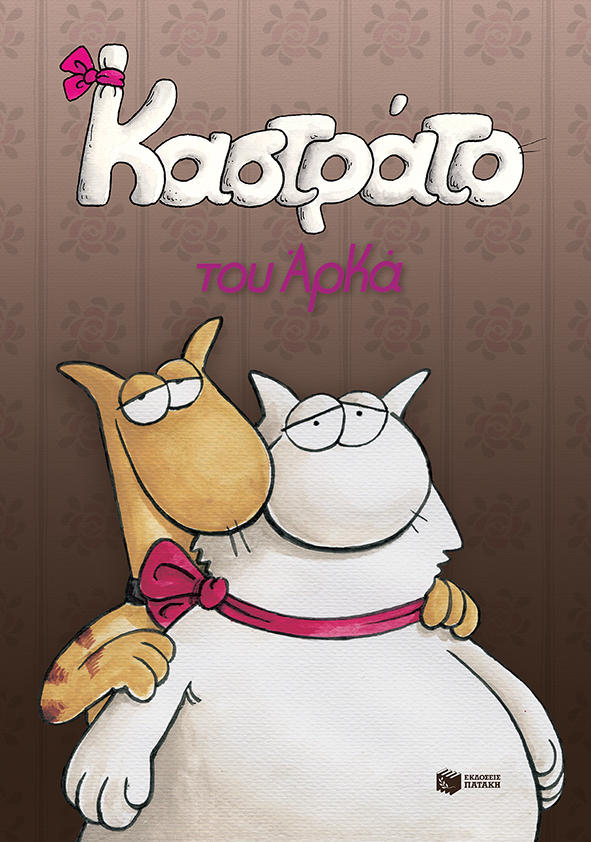
There is not the slightest doubt. The cat Kastrato is a reincarnation of a great eunuch of antiquity: the theologian Origen, the Justinian general Narses or perhaps one of the resourceful sleeping prime ministers of Byzantium? Let him decide himself. We are very interested in the "Kastrato" trio. Well, it's the same. All three heroes are castrated: Castrato in body, the old lady in spirit, Lucretia in soul. Three disabilities of the modern world who play the game of roles here and who masochistically nurture their misery as they depend on each other. Each hero expresses his own dissatisfaction for which he blames, like all of us, whether he admits it or not, the... Basque fate. If the roles were reversed - the Castrato dexterous and insatiably lustful, Lucretia "impassioned" and virtuous, the lady anti-romantic, authoritarian and perhaps nascent -, again the landscape of the world would be incurably ill, again the triad would be wrecked in its contradictions and, of course, "Castrato" would balance again geniusly, as a poetic comic. The poetry of "Castrato" therefore consists precisely in its symmetry with the essence of relationships in the modern world: they are impossible. This "dialogue of the deaf", beyond its funny mechanisms, is instructive in this regard: that beings today live as comic-tragic and especially alone, within their needs and in their own speech code. From the introduction of Yannis Varveris


