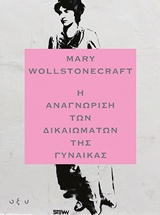
"I am grieved that women are systematically debased by gladly receiving the trifling attentions which men think it proper to show to the female sex. So ridiculous do all these little ceremonies seem to me, that I can hardly contain my nerves when I see a man hastening with all eagerness to catch a fallen handkerchief or open a door, when a lady could do it herself in one movement." Writing at a time when the struggle for human rights had led to the great revolutions in America and France, Mary Wollstonecraft forcefully expressed her own opinion on women's independence in 1792. With passion and directness, she attacked the prevailing view of society that treated women as an ornament and demanded equal education for girls and boys, the end of prejudices and the dependence of women on their profession and not on their partner. The recognition of women's rights was received sometimes with admiration and sometimes with indignation, but established her as the "mother" of modern feminism. "I wish women would have power not over men, but over themselves."